



Glaucoma
Glaucoma is a leading cause of vision loss around the world. At Doss Eye, our glaucoma specialists have the experience and expertise necessary to help control glaucoma and prevent further vision loss.
What is Glaucoma?
Glaucoma refers to a group of eye conditions that gradually damage the optic nerve, which connects the eye to the brain. A healthy optic nerve is essential for good vision.
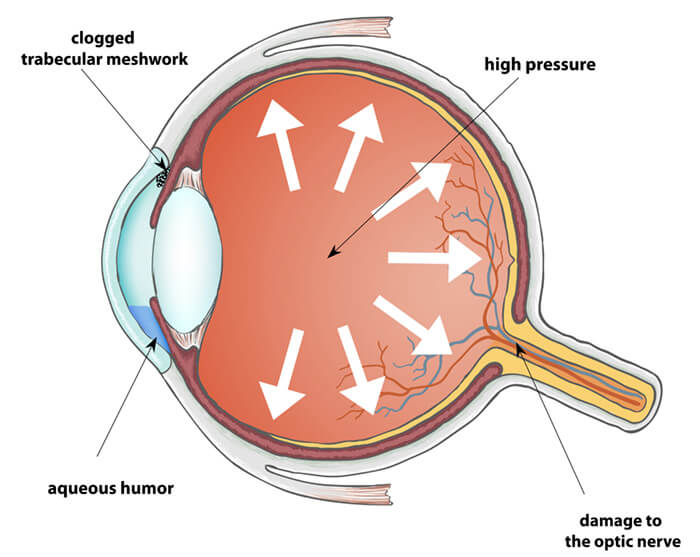
In glaucoma patients, abnormally high pressure inside the eye stresses this delicate nerve, damaging it over time. The good news is that early detection and treatment make it possible to effectively manage glaucoma and prevent vision loss in most people.
Regular eye exams can help those with glaucoma to preserve sight and maintain their quality of life.

What Causes High Eye Pressure?
In a healthy eye, fluid called aqueous humor is produced inside the eye, which then drains out through tiny drainage canals. When production and drainage of eye fluid are properly balanced, you will have normal eye pressure.
In many forms of glaucoma, slow drainage leads to fluid buildup, which increases pressure in the eye over time. There can also be cases where the optic nerve is more sensitive to pressure and becomes damaged even when eye pressure is within the normal range.
This is called normal-tension or low-tension glaucoma. Regardless of whether the measured pressure is high or within average limits, optic nerve changes typical of glaucoma often signify the need for treatment. Monitoring your eye health allows your eye doctor to detect damage early and intervene right away to try to prevent further vision loss.
What Types of Glaucoma Are There?
There are many different types of glaucoma, which are each characterized by risk factors, patterns of damage to the optic nerve, and different approaches to treatment. Most types of glaucoma have little to no warning signs or symptoms.
These most common types of glaucoma also tend to develop gradually. However, other types of glaucoma may develop rapidly and cause permanent vision loss if not treated the right way.
These two types of glaucoma are important to learn about to protect your sight.
Open-Angle Glaucoma
Open-angle glaucoma is the most common type of glaucoma. It develops slowly over time, and there are often no symptoms at first.
Since there are no symptoms, it’s important to have your eyes regularly examined by your eye doctor at Alliance Eye Medical Group, especially if you’re at higher risk. In open-angle glaucoma, the angle in the eye where the iris meets the cornea looks normal.
However, there may be a blockage deeper inside the drainage channel of the eye, which can cause a rise in eye pressure.
Angle-Closure Glaucoma
Angle-closure glaucoma is less common but causes symptoms very quickly, like eye pain and nausea. It happens when the iris is very close to the drainage angle, blocking the proper flow of fluid out of the eye.
If you experience symptoms of angle-closure glaucoma, it’s essential to visit your eye doctor right away to avoid permanent vision loss.
How Do Eye Doctors Test for Glaucoma?
At Alliance Eye Medical Group, our eye doctors use a variety of tests to check for glaucoma, including:
How is Glaucoma Treated?
There are many glaucoma treatments available that can help control eye pressure and prevent further vision loss. Your eye doctor will determine which treatment is best for you based on factors like the type and stage of your glaucoma, your risk level for progression, your general health history, and any existing eye conditions.
Your eye doctor will discuss which options may work for your type of glaucoma.
