


Cataract
Cataracts are a common eye condition, especially for older adults, that causes clouding in the lens of the eye. Cataracts can lead to blurred vision, trouble seeing at night, seeing halos around lights, double vision, and other vision difficulties.
As you age, the lenses in your eyes can become cloudy and hardened, causing cataracts to form. The only treatment for cataracts is cataract surgery to remove the clouded lens and replace it with a clear artificial lens implant.
At Doss Eye, our experienced cataract surgeons provide advanced cataract surgery and lens implant options to help you regain clear vision.

What Are Cataracts?
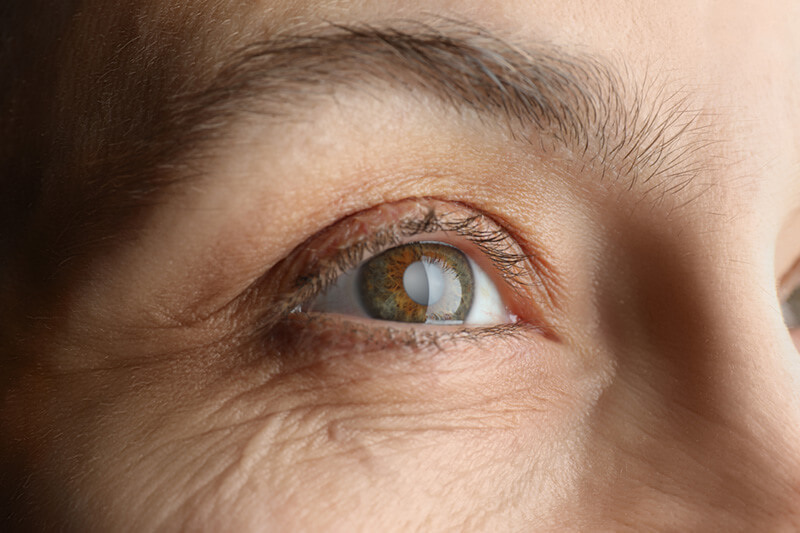
A cataract is a clouding of the natural lens in the eye, which leads to blurred vision. The lens sits behind the iris and pupil and focuses light onto the back of the eye to allow clear images.
As you age, the proteins that make up the lens in your eyes can start to break down and clump together, forming clouded areas called cataracts. Over time, the cataract can grow larger and inhibit the amount of light entering the eye, progressively worsening vision.
Cataracts make it difficult to do tasks like reading, driving, seeing colors vividly, viewing computer screens, and seeing well in dim lighting. When cataracts worsen significantly, cataract surgery is needed to remove the cloudy lens and replace it with a clear artificial lens implant to restore improved vision.
Cataracts affect over half of all people aged eighty and older. Risk factors like diabetes, smoking, excessive sun exposure, infections, injuries, genetics, and taking certain medications can contribute to developing cataracts at a younger age.
Fortunately, modern cataract surgery is a safe outpatient procedure with a high rate of success in regaining visual acuity after lens replacement.
What Are the Most Common Symptoms of Cataracts?
Cataracts cause vision changes that tend to develop gradually over time. Common symptoms include:
- Blurry, cloudy, or dim vision
- Seeing halos or glare around lights
- Poor night vision or trouble seeing at dusk
- Sensitivity to light and glare
- Trouble identifying colors
- Needing brighter light to read or do tasks
- Frequent changes in glasses or contact lens prescriptions
- Fading or yellowing of colors
If you experience any persistent vision changes that affect your daily routine or quality of life, see your eye doctor at Doss Eye to be evaluated for cataracts or other possible causes. Detecting vision issues early can help preserve your sight.






What is Cataract Surgery?
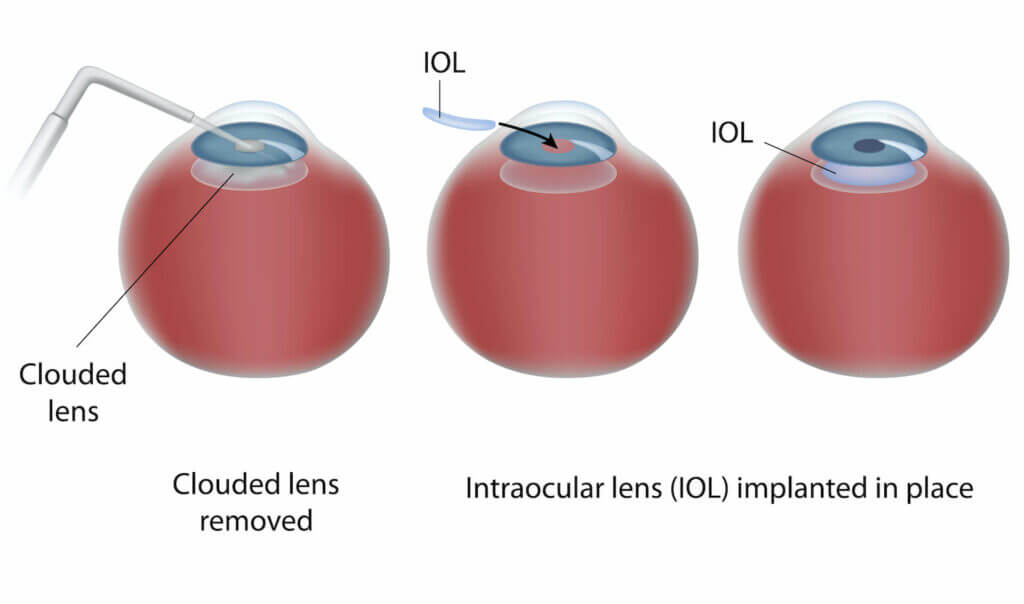
Cataract surgery is a procedure to remove the natural lens of the eye that has developed cloudy vision and replace it with an artificial lens implant to restore clear vision. The procedure is typically done on an outpatient basis, meaning you get to go home the same day, and takes less than an hour.
During cataract surgery, your cataract surgeon will make a tiny incision in the surface of the eye to access the clouded lens behind the pupil. They use a special surgical tool that uses ultrasonic waves to break up the cloudy lens into tiny pieces.
These lens fragments are gently suctioned out of the eye. Once all of the tiny cataract pieces have been removed, an intraocular lens (IOL) implant is put in its place.
The incision is so small that it often does not even require stitches. With the new clear artificial lens implant in place, you will be able to see clearly once again!
IOLs Available at Doss Eye
There are several different types of advanced IOLs offered at Doss. Your eye doctor will help you determine which lens may be right for you depending on a variety of factors.
At Doss Eye, we offer these IOLs:
A standard monofocal IOL is an artificial lens implant that provides clear vision at one distance, typically for either near or far vision.
These basic lenses offer crisp vision for tasks like driving, watching TV, or reading but still require wearing glasses for optimal vision at other ranges that the lens does not correct.
Monofocal lenses are the most common type of basic lenses implanted after routine cataract surgery.

Bifocal intraocular lenses are specialized artificial lenses implanted during cataract surgery used to correct astigmatism in addition to cataracts.
Toric lenses correct for irregularly shaped corneas that cause distorted, blurry vision at all distances by providing clearer vision and less need for strong glasses prescriptions after lens replacement surgery.
At Doss Eye, our cataract specialists are trained on the latest IOLs and can help you determine which lens is right for your eyes and lifestyle at your consultation.
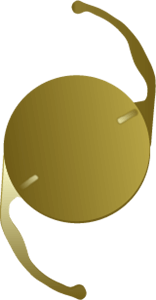
The Trifocal lens is an advanced artificial lens implant that corrects vision at near, intermediate, and far ranges.
This FDA-approved trifocal IOL provides crisp focusing at all distances to cover most visual needs with significantly less dependence on glasses after cataract surgery.
The PanOptix lens utilizes special technology for superior optical performance with reduced visual disturbances.
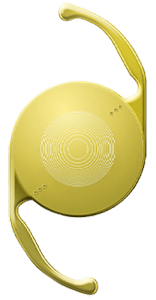
The Intraocular Lens is an Extended Depth of Focus lens designed to provide a continuous range of vision, from distance vision seamlessly through arm’s length without visual gaps.
This lens uses special technology, providing an extended area of focus to reduce the need for glasses for most daily activities after cataract surgery while minimizing visual side effects like halos or glare.